Why Comfort Matters for Children with Cancer
The medical fight begins the moment a child is diagnosed with cancer. But getting through treatment — feeling well enough to play, to rest, to be a kid — requires more than medicine alone. That's where integrative therapy comes in, and it's why we've built our entire mission around it.
Integrative Therapy Is Part of the Fight, Not a Distraction from It
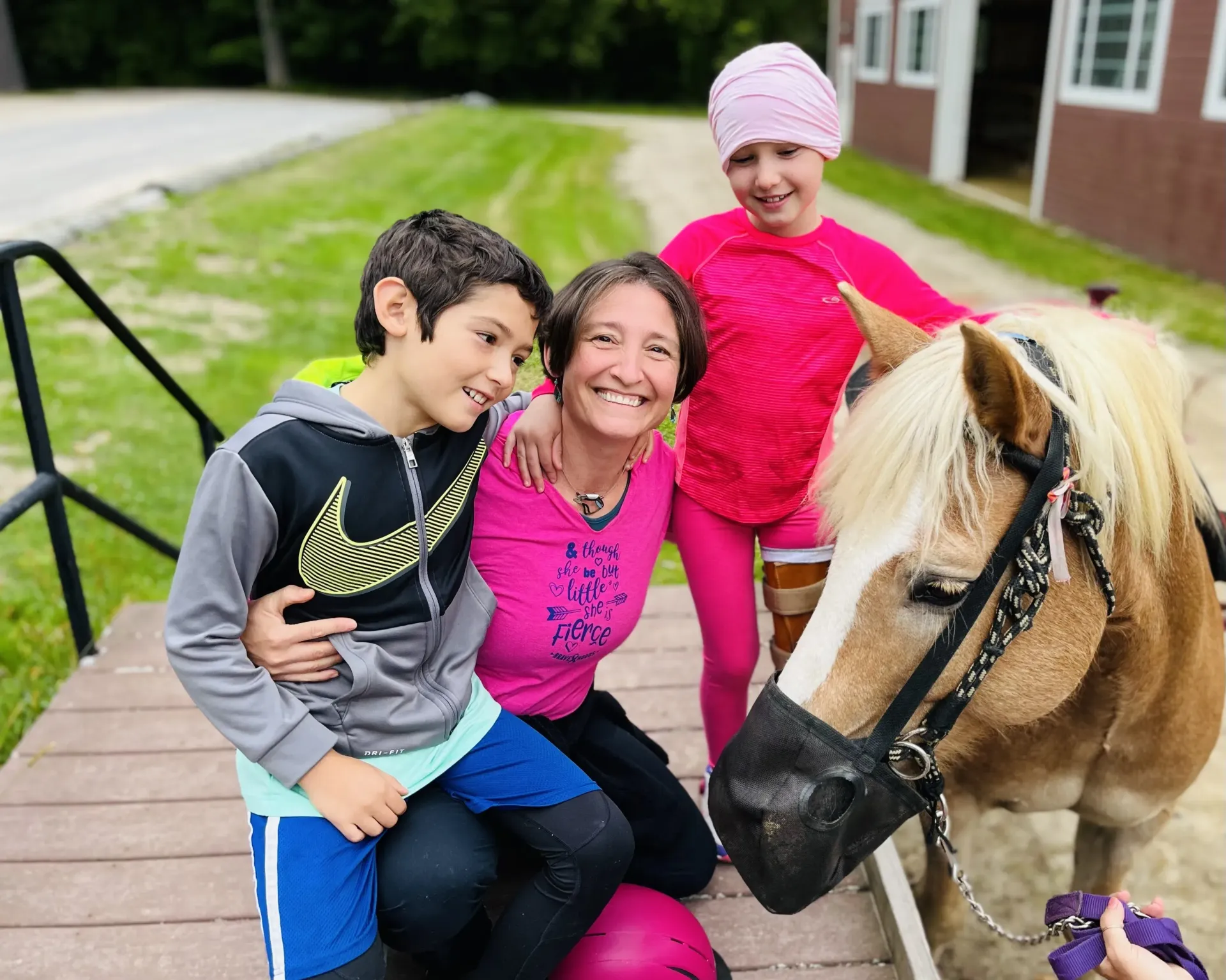
Why integrative therapies matter for children with cancer isn't a philosophical question — it's a clinical one. Research consistently shows that therapies like massage, acupuncture, yoga, and music therapy reduce pain, nausea, anxiety, and treatment-related fatigue in pediatric oncology patients. These are not alternative treatments. They work alongside chemotherapy, radiation, and surgery, easing the hardest days without interfering with the medical care driving them.
Love Bus-funded therapies are delivered at Massachusetts General Hospital, Baystate Medical Center, UMass Memorial Medical Center, Hasbro Children's Hospital, and more because we recognize what families already know: comfort is part of what gets a child through.
Cancer Doesn't Just Happen to One Person in Your Family
A child's diagnosis reshapes everything — for the patient, for their siblings, and for every caregiver holding the family together. The siblings are watching. The parents are running on empty. Everyone is navigating something no one prepared them for.
Love Bus was built on a whole-family model because that's what families actually need. We have dedicated programs for the child with cancer, for their brothers and sisters, and for the parents and caregivers who show up every single day. Supporting the whole family isn't a bonus feature — it's the foundation of everything we do.

What You'll Find in This Section
Who we are, who we serve, and why we exist — including the founding story that gave this organization its name and its purpose.
Our Mission
Who we are, who we serve, and why we exist — including the founding story that gave this organization its name and its purpose.
What Are Integrative Therapies?
A plain-language guide to every therapy Love Bus funds — what each one does, what your child will actually experience, and the evidence behind it.
Frequently Asked Questions
Direct answers to the questions families ask most: eligibility, cost, how to apply, what happens after you do, and whether Love Bus serves your state.
Free for Every Qualifying Family in New England
Every service Love Bus provides is free to qualifying families. No insurance. No income threshold. No copay of any kind. If your child was diagnosed with cancer before age 21 and lives in or is treated in New England, you belong here.
Age
Your child was diagnosed with cancer before age 21
Location
Your family lives in or your child receives treatment in New England
Income
No income limit. No citizenship or immigration requirement. No phase-of-treatment restriction.
Duration
Support continues through survivorship and into adulthood for those diagnosed before 21
Free for Every Qualifying Family in New England — No Exceptions
Why are integrative therapies important for kids with cancer?
Integrative therapies address the physical and emotional side effects of cancer treatment — pain, nausea, anxiety, and fatigue — that conventional medicine alone doesn't always manage well. In pediatric patients, therapies like massage, acupuncture, and yoga have been shown to meaningfully improve quality of life during treatment. They are part of comprehensive care, not separate from it.
How do complementary therapies help children during cancer treatment?
They work by reducing the intensity of treatment side effects and improving a child's sense of well-being, control, and calm. For example, a child receiving acupuncture during a difficult treatment cycle is a child who may sleep better, feel less nausea, and face the next day with more resilience. These outcomes matter — for the child and for everyone supporting them.
Does integrative medicine actually help pediatric cancer patients?
Yes — and the evidence behind it is why programs like ours operate inside major hospitals. Love Bus-funded therapies are delivered at partner institutions including MGH and Hasbro Children's Hospital, where integrative care is considered part of comprehensive pediatric oncology treatment, not a supplement to it.